Exploring Dublin Lake And Village Homes In Dublin, NH
July 16, 2026
July 16, 2026
Looking for a New Hampshire home with both scenery and substance? Dublin stands out because it offers more than a pretty lake view or a charming village street. If you are considering a home here, it helps to understand how the lake, the village, and the town’s history all shape today’s housing options. Let’s take a closer look.
Dublin was chartered in 1771, but its housing identity changed in the post-Civil War years. According to the town’s history, the Appleton House hotel opened in 1871, the first summer cottage followed in 1872, and more than fifty cottages were built over the next two decades. For much of the following century, Dublin functioned primarily as a summer resort.
That history still matters when you look at homes in Dublin today. The town notes that many former summer residents later winterized their houses and retired there permanently. In practical terms, that helps explain why Dublin now appeals to both second-home buyers and year-round residents.
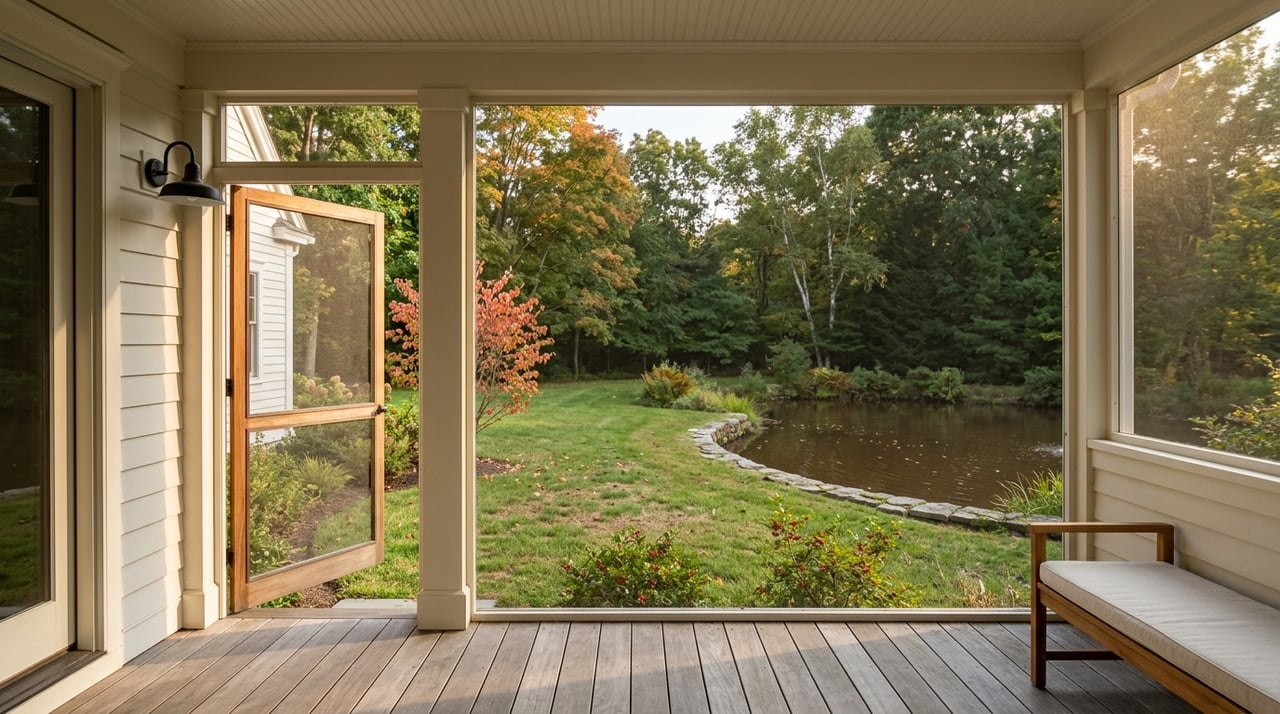
Dublin Lake is central to the town’s identity, but the housing around it is not one-note. The Dublin Lake Historic District is made up entirely of occupied properties, including residences, seasonal cottages, and two clubhouses. Its boundaries generally follow a 1,000-foot setback from the shoreline, reflecting the long-established residential character of the lake.
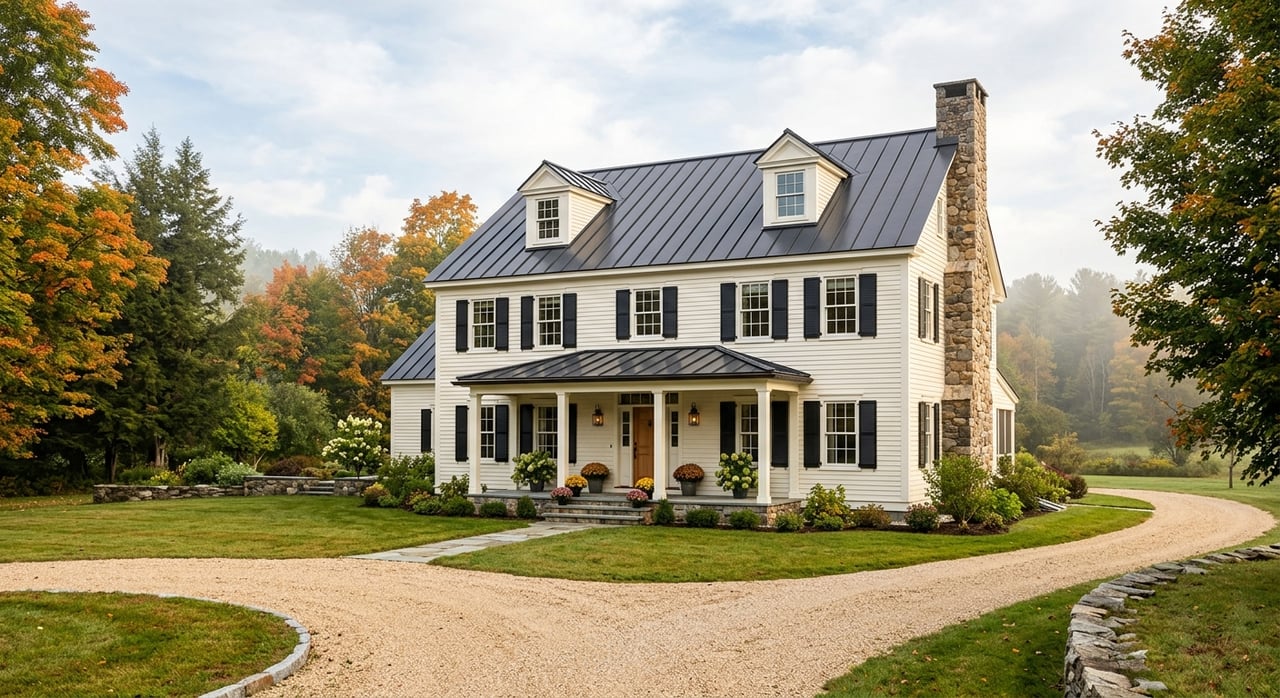
If you picture one standard lake-house style, Dublin will likely surprise you. Historic records identify Greek Revival and Georgian as principal architectural styles within the district, while the broader lake colony includes examples tied to Shingle Style and Colonial Revival design. That variety gives the lake area a layered, established feel rather than a uniform one.
Some historic descriptions also place lake-adjacent homes on open hillsides and open hills overlooking Dublin Lake and Mount Monadnock. For you as a buyer, that means the appeal is not limited to shoreline access alone. Elevated settings, broad views, and the relationship between house, land, and landscape are part of what makes this area distinctive.
Dublin Lake is known for a quieter pace. New Hampshire boating rules cap motorboats at 10 mph on Dublin Lake, except between 4:00 p.m. and sunset each day. The state also identifies a Dublin Lake Scenic Area in town.
Together, those details support a slower and more scenic water setting. If you are drawn to a lake environment that feels preserved rather than heavily trafficked, Dublin offers that character.
Homes around the lake can reflect several chapters of Dublin’s history. Depending on the property, you may encounter:
That mix is a big part of the area’s appeal. It gives buyers a range of settings and scales while preserving a strong sense of place.
The village core offers a different side of Dublin living. The town’s zoning ordinance includes a Village District where single-unit dwellings are permitted alongside small retail, office uses, restaurants, craft and artisan shops, and certain inn or bed-and-breakfast uses. That points to a compact mixed-use center rather than a purely residential subdivision pattern.
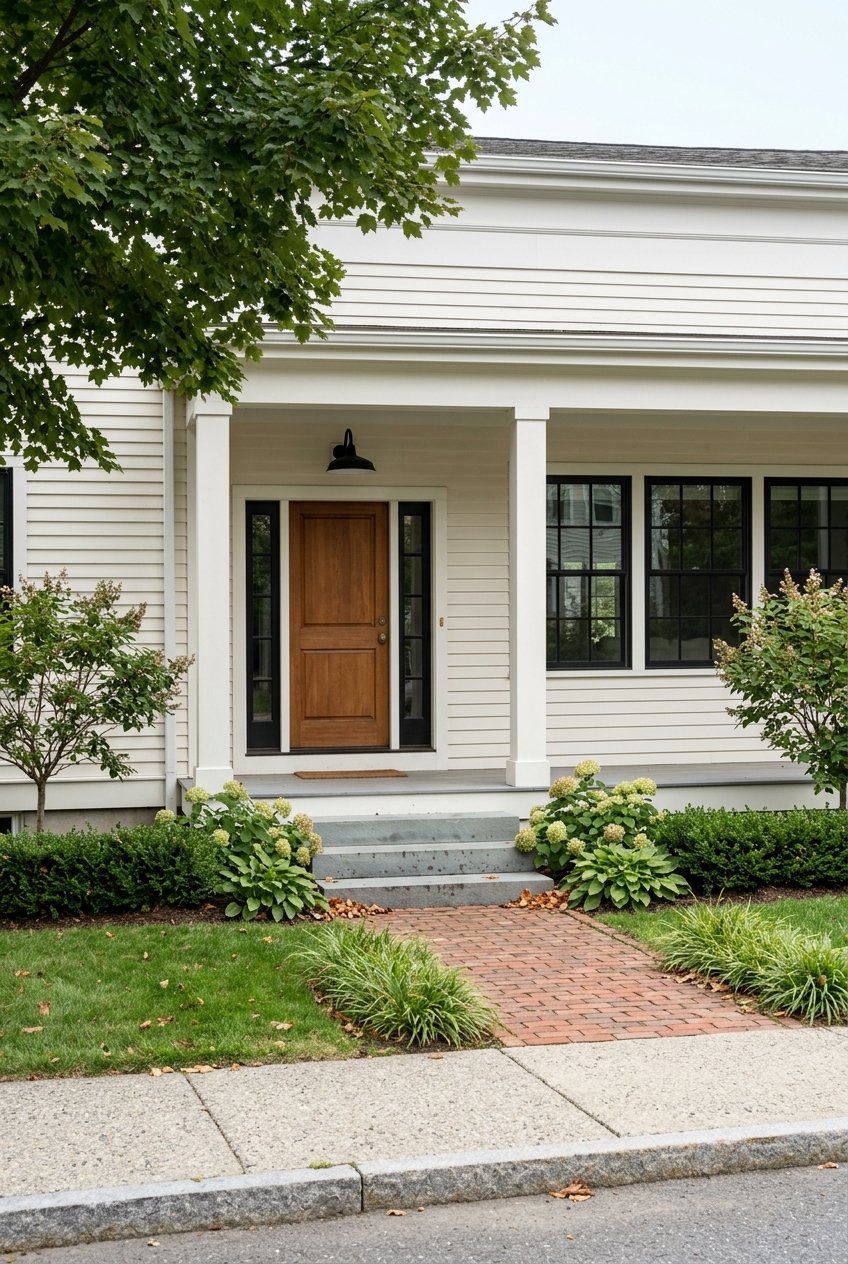
For you, that can mean a home environment with a more traditional New England village feel. Instead of being defined only by private retreats and rural roadways, Dublin also has a visible center with civic, cultural, and residential presence.
The Dublin Community Center’s history notes that its building is part of the National Register Village District, along with the Dublin Community Church, Town Hall, Dublin Public Library, the 1836 Dexter Mason House now used by Yankee Magazine, and several other preserved residences. This gives the village a clear historic streetscape and a sense of continuity that many buyers value.
Dublin’s village core feels active and established because of its local institutions. The town’s community directory lists places such as the Dublin Community Church, Dublin Public Library, the Dublin Historical Society, and Monadnock Art/Friends of the Dublin Art Colony among local anchors.
That matters because it shows the village is more than a pass-through area. It supports year-round community life and helps create a setting where historic homes and civic landmarks exist side by side.
Village homes in Dublin often reflect the town’s long architectural history. The 2024 New Hampshire National Register list includes named properties such as Amory House, Amory Ballroom, Amory-Appel Cottage, Weldwood, and Lattice Cottage, along with many other historic houses and cottages.
This does not mean every home in the village is a landmark property, but it does reinforce the depth and variety of the local housing stock. If you appreciate preserved residences, period details, and a setting shaped by history, the village may be especially appealing.
If you are choosing between lake-oriented and village-oriented homes in Dublin, the decision often comes down to lifestyle. Both settings are tied to the town’s history, but they offer different day-to-day experiences.
Setting | Often Appeals To | Common Character |
|---|---|---|
Dublin Lake area | Buyers seeking scenic settings, legacy properties, second homes, or quieter water-oriented living | Historic cottages, estate houses, varied architecture, hillside and lake views |
Dublin village area | Buyers seeking a classic village setting with civic and cultural landmarks nearby | Historic residences, preserved streetscape, mixed-use center, walkable core feel |
Some buyers are drawn to the lake for privacy, views, and the slower pace of the water. Others prefer the village because it offers a more centered and connected feel. In both cases, Dublin’s appeal comes from a strong relationship between home, history, and landscape.
Many small New Hampshire towns offer beauty, but Dublin has a particularly layered identity. Its appeal comes from a preserved lake colony, a historic village core, and its place within the broader Monadnock arts-and-outdoors setting.
The Dublin Historical Society operates archives at 8 Church Street and the 1841 Schoolhouse Museum on Main Street, with exhibitions that have highlighted Dublin artists, the Dublin Art Colony, and Dublin as a resort destination. DubHub, the Dublin Community Center, hosts art exhibits, live music, community meals, yoga, storytelling, and open-mic programming. These institutions help show that Dublin’s cultural life is not simply part of the past.
The broader Monadnock Region adds another layer. Regional tourism materials describe the area as offering arts, culture, main-street sophistication, trails, Mount Monadnock, galleries, theater, music, and outdoor recreation. For a homebuyer, that means Dublin offers a local setting with access to a wider regional lifestyle.
If you are searching in Dublin, it helps to look beyond simple labels like lake house or village home. In this market, a property may also reflect seasonal origins, later year-round adaptation, historic architecture, or a strong connection to views and landscape.
That is one reason local guidance matters. A home’s value and appeal may rest not just on square footage or lot size, but also on setting, historic context, and how it fits into Dublin’s broader housing story.
For buyers who want New Hampshire character with a refined sense of place, Dublin offers a rare combination. You can find homes tied to a long summer-colony tradition, homes within a preserved village environment, and homes that connect you to the wider Monadnock lifestyle.
If you are considering a move in Dublin or elsewhere in the Monadnock region, Andrew Peterson offers experienced, locally grounded guidance to help you evaluate properties with clarity and confidence.
Stay up to date on the latest real estate trends.
With over four decades of experience and more than $500 million in career sales, Andrew Peterson delivers trusted guidance, local knowledge, and exceptional results across New Hampshire. Whether buying, selling, or investing, partner with a seasoned real estate professional dedicated to delivering personalized service and exceptional results.