What It’s Like To Live In Peterborough, New Hampshire
July 2, 2026
July 2, 2026
Wondering whether Peterborough offers the right mix of charm, convenience, and everyday livability? If you are drawn to small-town New England character but still want culture, outdoor access, and a real downtown, Peterborough stands out for exactly that reason. Living here means balancing village energy with open space, and in this guide you will get a clearer picture of what daily life, housing, and community feel like in town. Let’s dive in.
Peterborough is a town of about 6,499 residents spread across 38.02 square miles, which gives it a settled but spacious feel. It is not a dense suburb, and it does not read like a resort town either. Instead, it feels established, lived-in, and distinctly local.
The housing and population data help explain that character. The town has 3,478 housing units, 56.3% owner occupancy, and 67% of its housing stock is single-unit structures. With a median age of 55.5 and 30.6% of residents age 65 and older, Peterborough has an older-skewing population, while 62.2% of adults 25 and older hold a bachelor’s degree or higher.
One of Peterborough’s biggest draws is that it has a true downtown core. The town’s zoning describes downtown as a pedestrian-oriented mixed-use area, and that matters because it shapes how the center of town feels day to day. You are not just driving from one strip mall to another. You are moving through a compact village setting with businesses, services, and civic spaces close together.
Depot Square is a big part of that rhythm. It serves as a visible downtown hub with shops, restaurants, services, riverwalk access, and access to the regional bike trail. It also hosts recurring events like First Fridays, Listen & Lunch, and summer concerts, which add activity without making the town feel crowded.
Free parking and an easy street grid make downtown practical as well as charming. That may sound like a small detail, but it changes how often people actually use a town center. In Peterborough, downtown is set up for regular errands, casual meetups, and community events.
Peterborough has a strong civic identity, and you can see that in its public spaces. The Peterborough Town Library sits right downtown and has deep historical roots, with the town creating the first free tax-supported public library in the nation in 1833. Today, the renovated library includes meeting rooms, classroom space, and collaborative areas.
It is also a place people use in everyday life. Current programming includes storytimes, tech help, yoga, open mic, and sketch club, which gives the library a role beyond just lending books. In a town like Peterborough, spaces like this help create a sense of connection.
The Monadnock Center for History and Culture adds another layer to downtown life. Located close to shops and restaurants, it serves as both a museum and a regional cultural hub. It also houses a visitor center tied to the Greater Peterborough Chamber of Commerce, reinforcing the sense that town life is organized around a real center.
Peterborough feels more culturally active than many towns its size, and that is one of its defining traits. If you value access to theater, local events, and the arts, this is a meaningful part of what living here can offer. The town’s cultural life is not occasional or decorative. It is woven into the calendar.
Peterborough Players is one of the best-known local institutions. Founded in 1933, it operates in a converted 18th-century barn about three miles from downtown and produces five Main Stage shows each summer. It also runs off-season Metropolitan Opera and National Theatre broadcasts, giving residents more year-round arts access than you might expect in a town of this scale.
MacDowell also shapes Peterborough’s identity in a major way. Its New Hampshire campus includes a 450-acre property with 31 studios and 13 support buildings, and the organization provides roughly 300 fully funded artist fellowships each year. That kind of arts presence gives Peterborough an unusually strong creative profile.
Community events reinforce that energy. Children and the Arts has filled downtown on the third Saturday of May since 1993 and draws an estimated 5,000 people from the Monadnock region and beyond. The festival centers on student art, local performers, and a giant puppet parade, which says a lot about the town’s civic spirit.
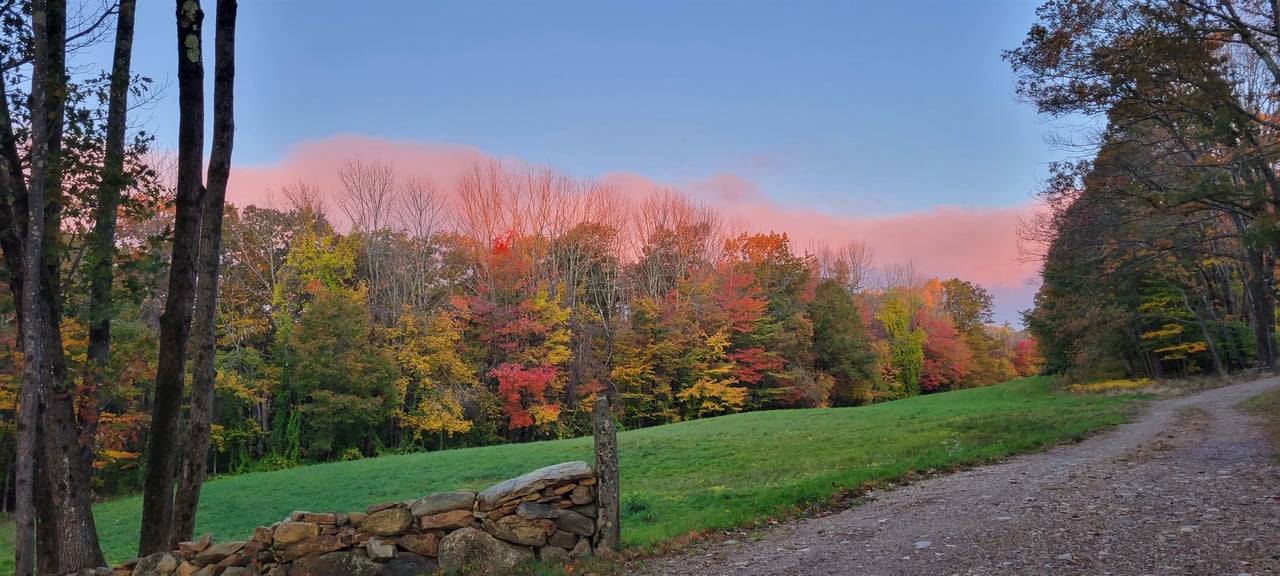
If your ideal home base includes easy access to nature, Peterborough has a lot going for it. The broader Monadnock region places a strong emphasis on protected landscapes, with nearly 25% of the region conserved according to Discover Monadnock. The Monadnock Conservancy has also permanently conserved over 24,000 acres across 29 towns in southwestern New Hampshire.
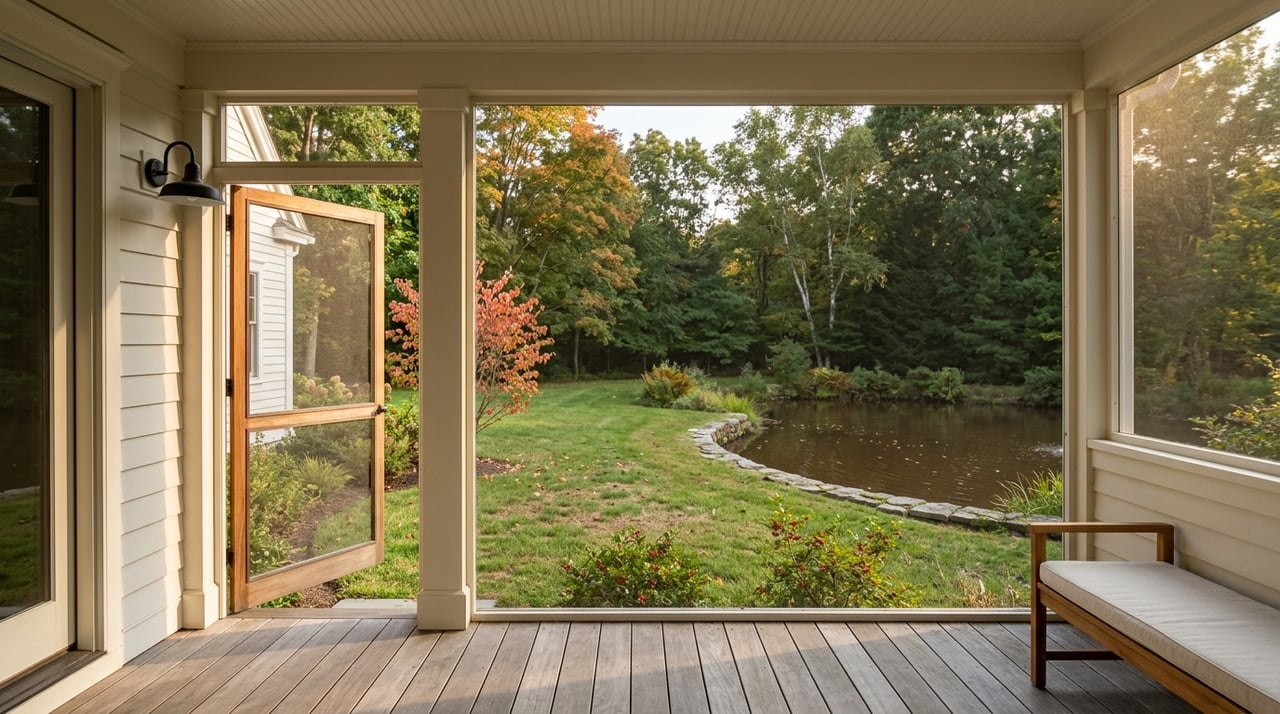
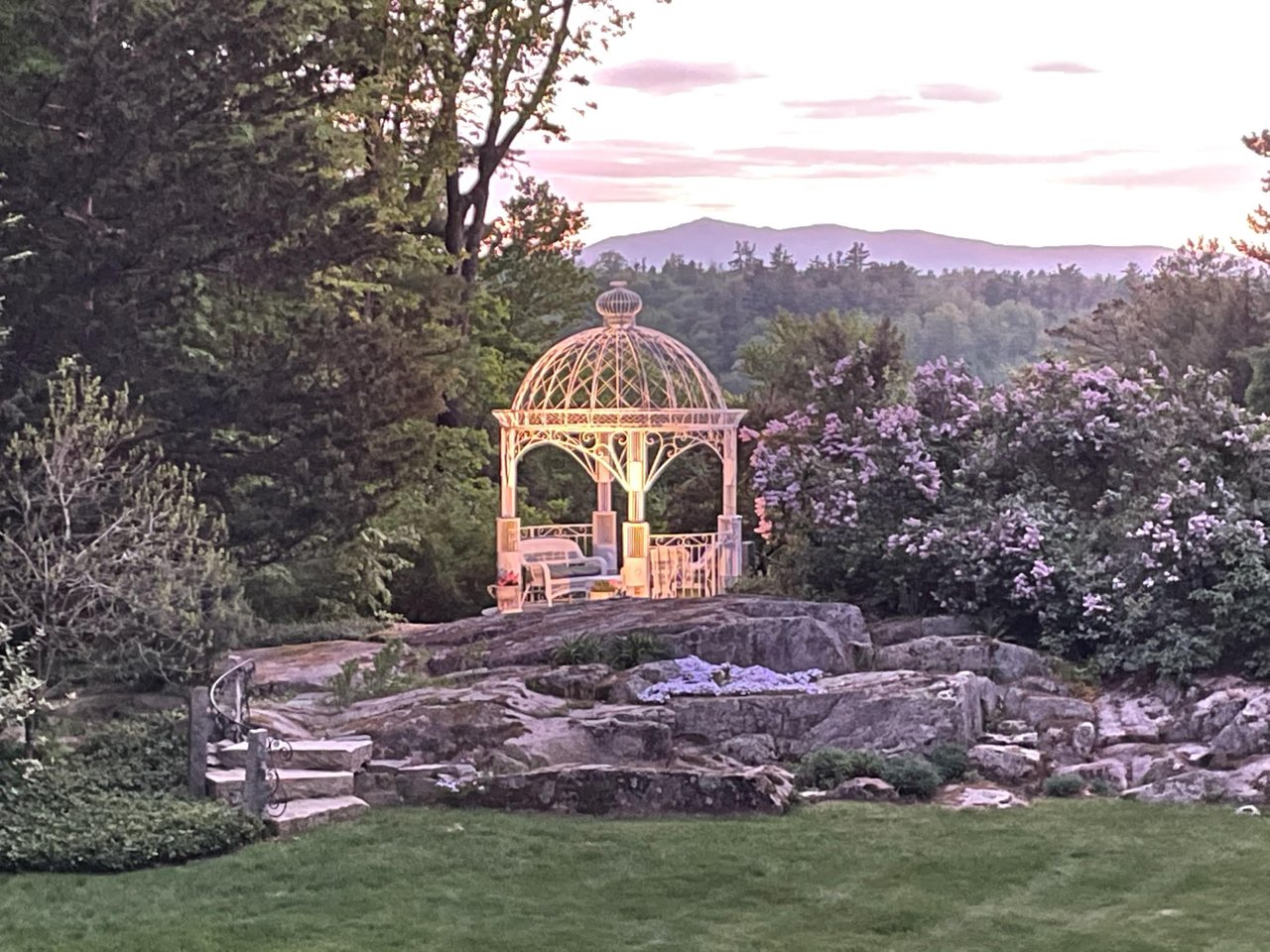
That protected-land backdrop shapes how the area feels. Even when you are close to town, you are never far from woods, open land, and recreation. For many buyers, that balance between village life and natural surroundings is a big part of Peterborough’s appeal.
Mount Monadnock in nearby Jaffrey is one of the region’s standout destinations. At 3,165 feet, it is surrounded by thousands of acres of protected highlands and is considered a year-round recreation destination. Peterborough also shares in the identity of Miller State Park and Pack Monadnock, with the park located in Peterborough and Temple.
The town’s own recreation offerings add to that lifestyle. Town documents reference pool operations, pond passes, kayak and paddleboard rentals, adult and youth sports, art programs, field trips, summer programs, and community-center rentals. That means recreation here is not limited to hiking. It includes structured local programs as well.
Lifestyle matters, but so does convenience. In Peterborough, basic services are close to home, which can make full-time living easier and more comfortable. Monadnock Community Hospital serves the region with primary care, specialty care, surgery, and rehabilitation.
That local access is important if you are comparing Peterborough with more remote country locations. It means daily life can feel more manageable without giving up the quieter setting many buyers want. You can enjoy a small-town environment and still have key services nearby.
Commute patterns also suggest practical livability. The American Community Survey reports a mean commute of 22.5 minutes, which points to a town that remains connected to everyday work and regional movement without feeling overly built up.
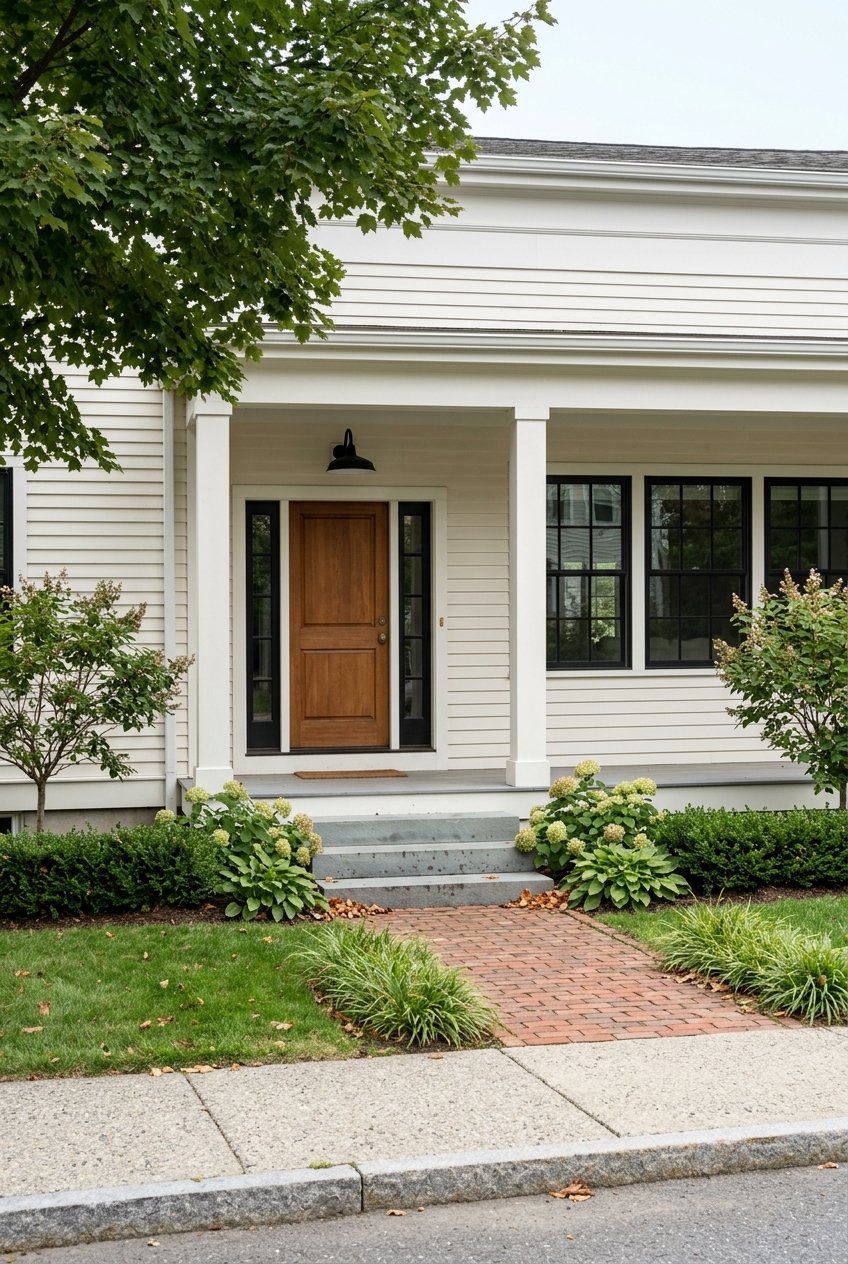
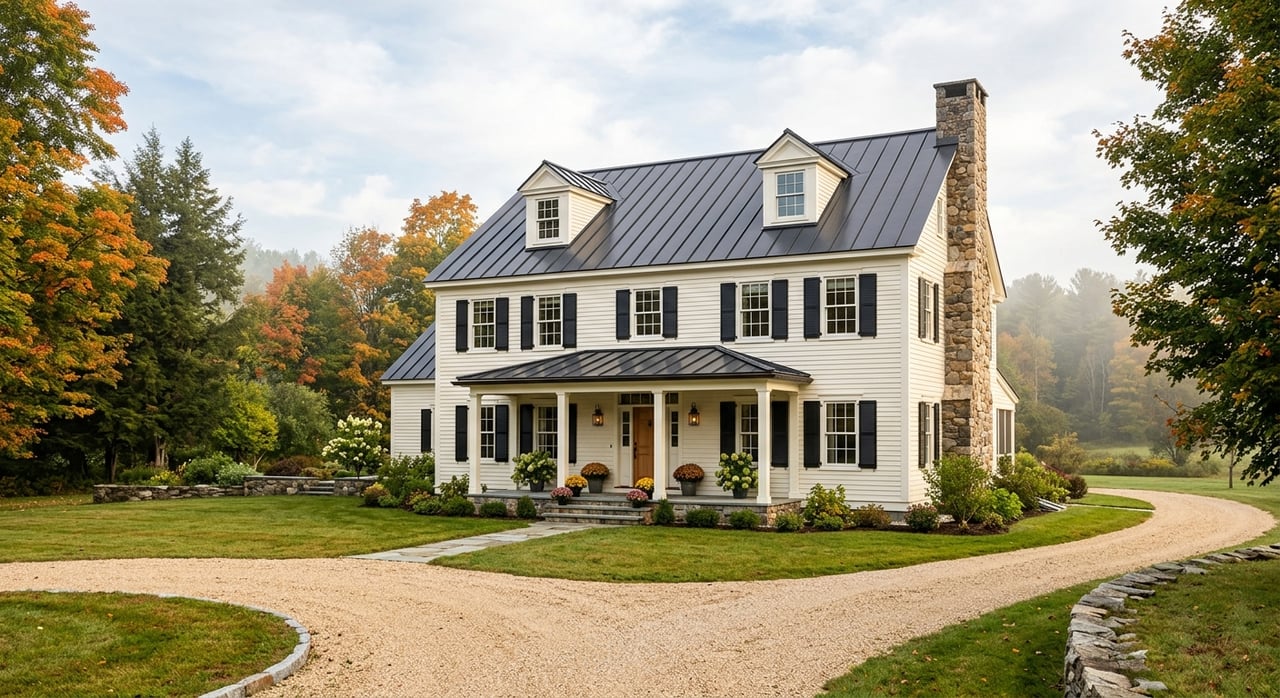
One of the most appealing things about Peterborough is that it offers more than one way to live. Some buyers picture a home they can walk from to Main Street. Others want acreage, privacy, or land near conserved open space. In Peterborough, those options can exist within the same town.
The zoning and historic development pattern help explain that variety. Downtown is explicitly mixed-use and pedestrian-oriented, General Residence allows multifamily residences, and Rural allows family-district uses plus commercial agriculture. Downtown historic-district documentation also notes older housing stock built over a relatively short period, mainly on small lots.
In practical terms, that creates a few broad home settings:
That range is a strength, especially for buyers who want flexibility. You can prioritize walkability, privacy, land, or a blend of all three depending on what matters most to you.
Peterborough is not the lowest-cost market in the region, and many buyers will want to understand that upfront. The ACS reports a median owner value of $404,500, a median gross rent of $1,395, and a median household income of $98,401. Those figures reflect a town with stable demand and a fairly established housing base.
The market also appears more rooted in ownership than turnover-heavy seasonal use. With 87% of the housing stock occupied, Peterborough feels like a place where people live and stay. That can be attractive if you are looking for a community with consistency and long-term character.
For sellers, those same dynamics can support a thoughtful pricing conversation. For buyers, they reinforce the importance of understanding not just list price, but location within town, land characteristics, and the type of lifestyle each property offers.
Peterborough often appeals to people who want more than just a house. They want a setting that supports how they actually want to live. That may mean being able to spend a morning downtown, attend a performance in the evening, and still come home to a quieter property with space around it.
You may find Peterborough especially compelling if you are looking for:
That combination is not easy to find. Peterborough’s appeal comes from how naturally those pieces fit together.
Peterborough is not a one-note market, and that is part of what makes it interesting. A village home near downtown, a country property with acreage, and a mixed-use opportunity can all offer very different value propositions, even within the same town. Understanding those differences takes local knowledge and careful analysis.
For buyers, that means looking beyond broad town-level impressions and focusing on the setting, use, and long-term fit of a specific property. For sellers, it means positioning a home in a way that reflects both its features and the lifestyle it offers. In a market with this much range, tailored advice matters.
If you are considering a move in Peterborough or the wider Monadnock region, working with someone who understands village residences, country homes, land, and higher-consideration properties can make the process far more informed and efficient. To talk through your next move with a seasoned local perspective, connect with Andrew Peterson.

Stay up to date on the latest real estate trends.
With over four decades of experience and more than $500 million in career sales, Andrew Peterson delivers trusted guidance, local knowledge, and exceptional results across New Hampshire. Whether buying, selling, or investing, partner with a seasoned real estate professional dedicated to delivering personalized service and exceptional results.