Sharon, NH Doesn't Have a Listings Problem. It Has an Arithmetic Problem.
August 27, 2026
August 27, 2026
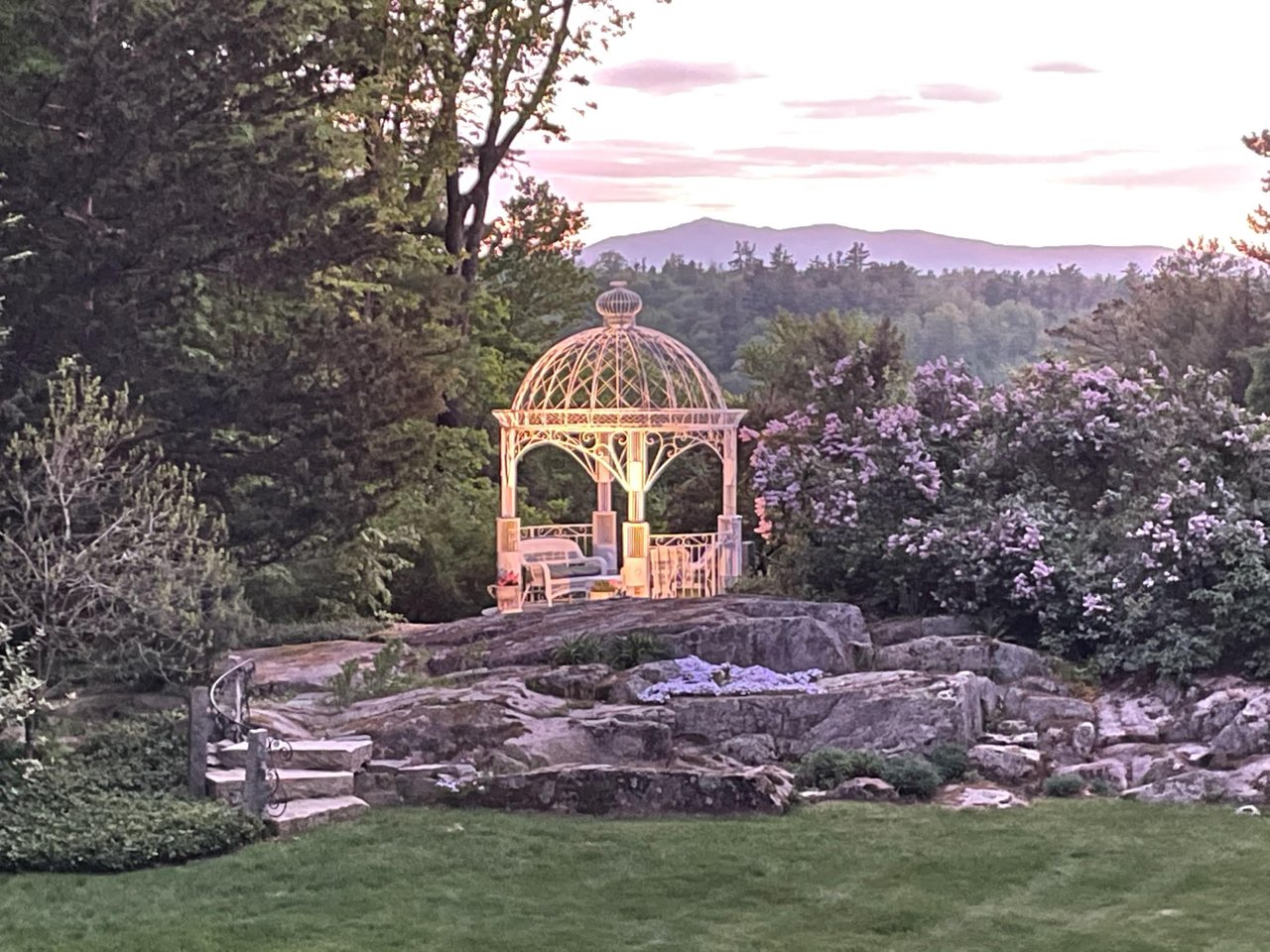
A five-acre property with sweeping Mount Monadnock views went back on the market in Sharon this year after the previous buyer was unable to close. In most towns that's a footnote. In Sharon, it's close to the only thing that happened in the housing market that month. When a town has this few homes to begin with, a single fallen-through deal doesn't get absorbed. It becomes the news.
That is the piece of the picture buyers miss when they scroll past Sharon on a portal search and think the low listing count is a temporary squeeze, the kind that eases once rates settle or another season turns over. It isn't temporary. Sharon's supply is fixed by geography and by decades of deliberate land protection, and understanding that difference changes how a buyer should actually approach the search.
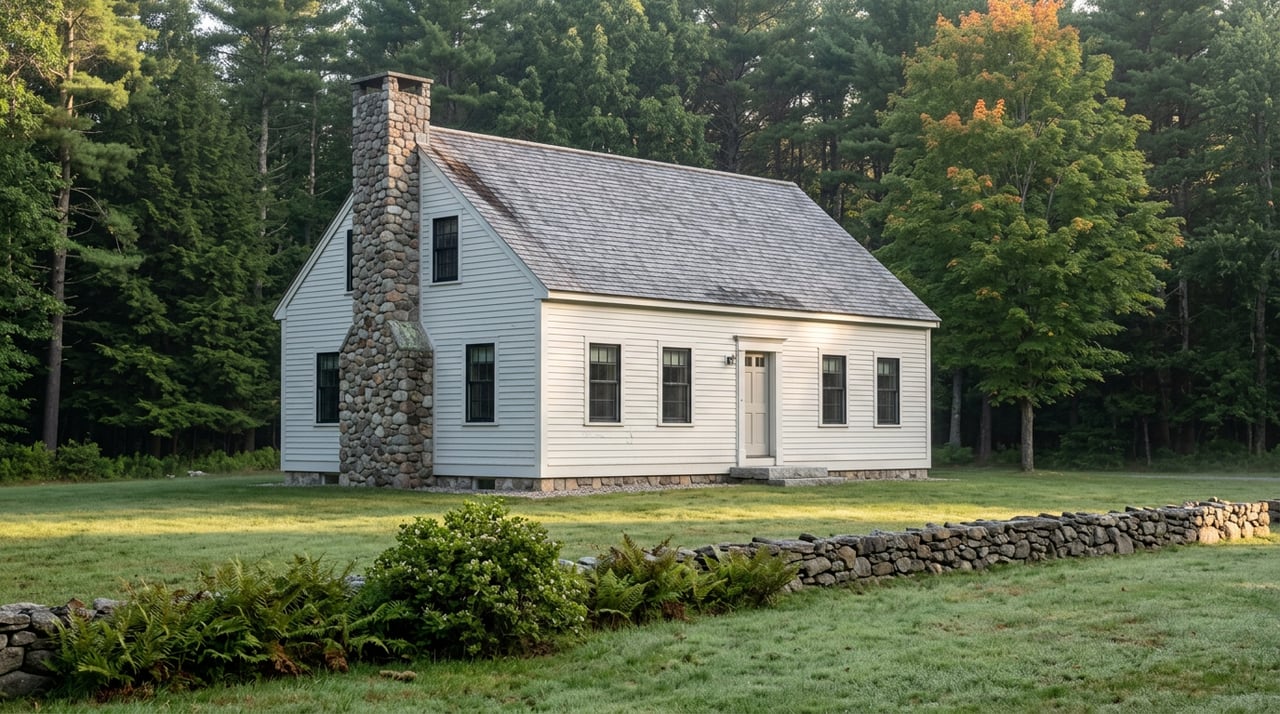
Sharon's own town government puts the picture in plain terms: roughly 340 residents live across more than 110 dwellings, spread over a town that totals 9,956 acres. That is not a market that contracts and expands with demand. It is a market with a hard ceiling that was set a long time ago and has barely moved since.
Compare that to how supply usually behaves elsewhere in the Monadnock region. In most towns, a stretch of tight inventory eventually loosens as sellers who were waiting out the market decide to list, or as a builder brings a new subdivision online. Sharon doesn't have that release valve in the same way, because there is comparatively little land left in private hands that could be developed even if an owner wanted to sell it off in pieces.
Sharon's Conservation Commission maintains a public accounting of what has been permanently protected, and the numbers explain a lot about why the town's housing stock has stayed essentially flat for years.
| Conservation holder | Approximate acreage in Sharon |
|---|---|
| Society for the Protection of New Hampshire Forests | 1,224.06 acres |
| New England Forestry Foundation | 923 acres |
| The Nature Conservancy (Wales Preserve) | 48 acres |
| Robert P. Bass Memorial Town Forest (town-owned) | Runs east to west across town; acreage not separately itemized in the town's public materials |
| Conservation easements on private land | More than two dozen additional parcels |
Add those figures to the easements layered across two dozen-plus privately held parcels, and you land close to the roughly 50 percent conservation share that local descriptions of the town commonly cite. That land isn't idle. The Town Forest carries a working network of trails, including the Meadow Brook Trail, the Sullivan Loop, the Big Tree Trail, and the Matthews Trail, and it still generates income for the town through periodic, closely monitored timber harvests. But none of it is coming back onto the residential market. A conservation easement recorded at the county Registry of Deeds runs with the land permanently, regardless of who owns it next.
This is the part of Sharon's story that a median price or a listing count alone doesn't tell you: the scarcity isn't a market condition, it's a legal one, embedded parcel by parcel over decades.
Buyers who treat Sharon like a normal small town, where patience eventually produces options, tend to lose out to buyers who understand the mechanism and adjust their approach accordingly. A few things follow directly from a housing stock that cannot meaningfully grow:
None of this means a buyer needs to overpay out of desperation. It means the usual advice to "wait and see" doesn't apply the way it does in larger markets, and a serious buyer should be positioned to move the moment the right property surfaces rather than treating a first look as a low-stakes preview.
Buyers who want the Monadnock setting without competing for one of Sharon's handful of homes have a real, active alternative just next door. Peterborough's Carley Woods development, built out lot by lot by LR3 Development, sits on wooded parcels ranging from one to four acres adjacent to expansive conservation land, with several homes already delivering Monadnock views. It is the kind of new construction that simply does not exist as an option inside Sharon's boundaries, and it illustrates the contrast well: Peterborough can still add supply in a way that respects its conservation land, while Sharon, having already conserved roughly half its acreage decades ago, has far less room left to do the same.
That doesn't make one town better than the other. It makes them different tools for different priorities. A buyer set on Sharon specifically, for its scale, its trail network, or its proximity to the Wapack Trail, needs to plan around genuine scarcity. A buyer who wants the same regional character with a builder-backed path to a new home has that option a few minutes away.
Here is the part worth sitting with. The same conservation commitment that keeps Sharon's housing stock capped is also the reason the town has the character buyers are drawn to in the first place. The trails through the Town Forest, the unbroken tree cover, the sense that the town isn't going to look meaningfully different in ten years than it does today, all of that is a direct product of the land protections that also mean there won't be a wave of new listings next spring.
Buyers sometimes ask why a market with so few transactions can still feel competitive. This is the answer. It isn't speculative demand chasing a hot trend. It's a fixed number of houses in a town that isn't adding more, sitting inside a landscape that a lot of people specifically want because it isn't adding more.
Will Sharon ever have more homes for sale? Not in the way a growing town would. Because so much of the town's acreage is under permanent conservation easement or town ownership, the ceiling on total dwellings is unlikely to move much. Listings will continue to trickle out one at a time, largely tied to individual life events rather than new construction.
Is there any land left to build on? Some privately held parcels remain outside conservation protection, but a buyer interested in new construction in Sharon specifically should expect a narrow, closely held market rather than an open building pipeline, and should confirm current zoning and any easement status directly with the town before assuming a lot is buildable.
Does scarcity mean I'll overpay? Scarcity changes the pace of a transaction more than it guarantees a premium. The practical risk isn't overpaying, it's losing a property to a faster, better-prepared buyer, which is why financing readiness and a short decision timeline matter more here than in a market with more substitutes on hand.
If Sharon's arithmetic is exactly the kind of scarcity you've been trying to work around, or if Carley Woods and the wider Peterborough market look like the better fit, Andrew Peterson has spent more than four decades reading the Monadnock region's town-by-town differences and can help you figure out which one actually matches what you're after. Let's Connect.
Stay up to date on the latest real estate trends.
With over four decades of experience and more than $500 million in career sales, Andrew Peterson delivers trusted guidance, local knowledge, and exceptional results across New Hampshire. Whether buying, selling, or investing, partner with a seasoned real estate professional dedicated to delivering personalized service and exceptional results.